From a full kitchen to a neighbour's plate — in four steps.
The model is intentionally simple. What makes it work is the people who show up: cooks, chefs, volunteers, and communities who trust each other with a meal.
 01
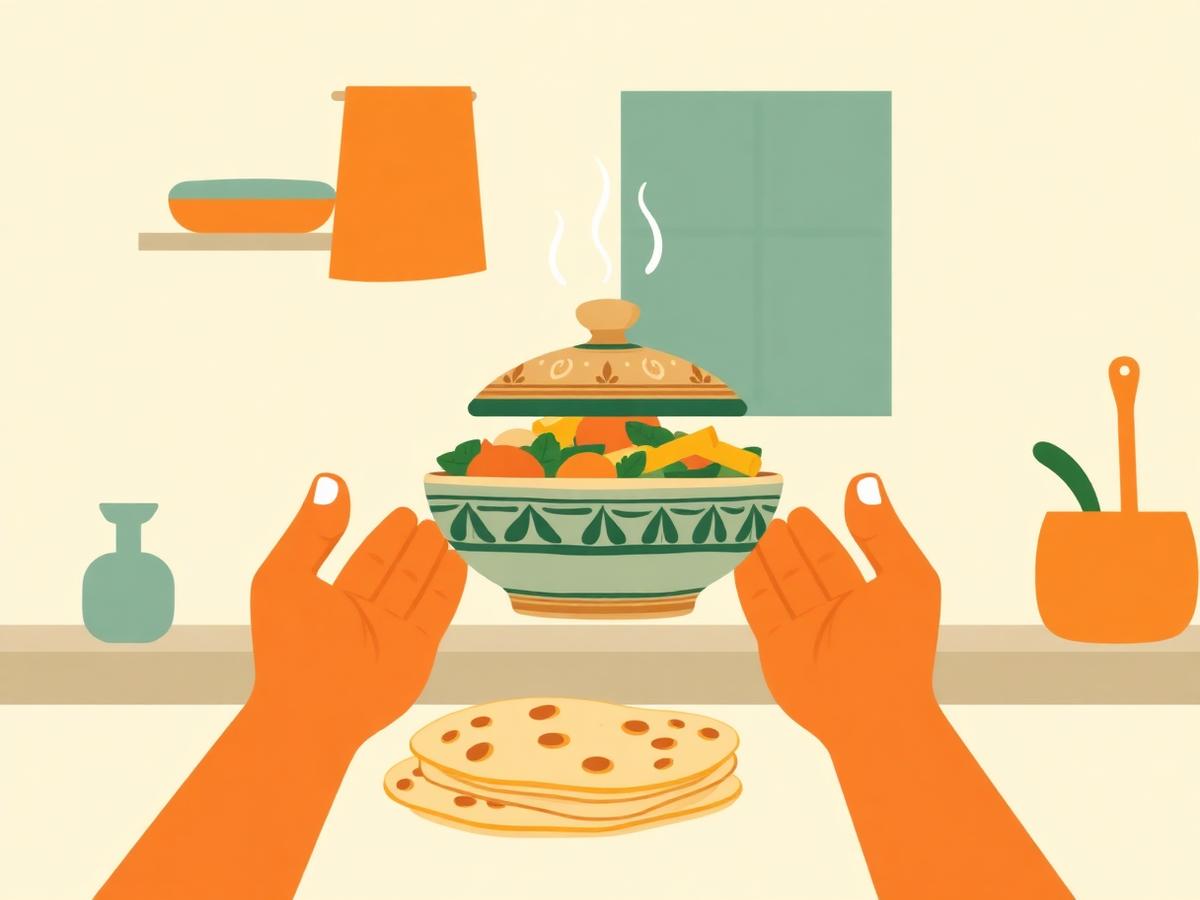
01Surplus is offered
A household finishes dinner with food to spare. A restaurant reaches close. They let us know what's warm and safe to share.
 02
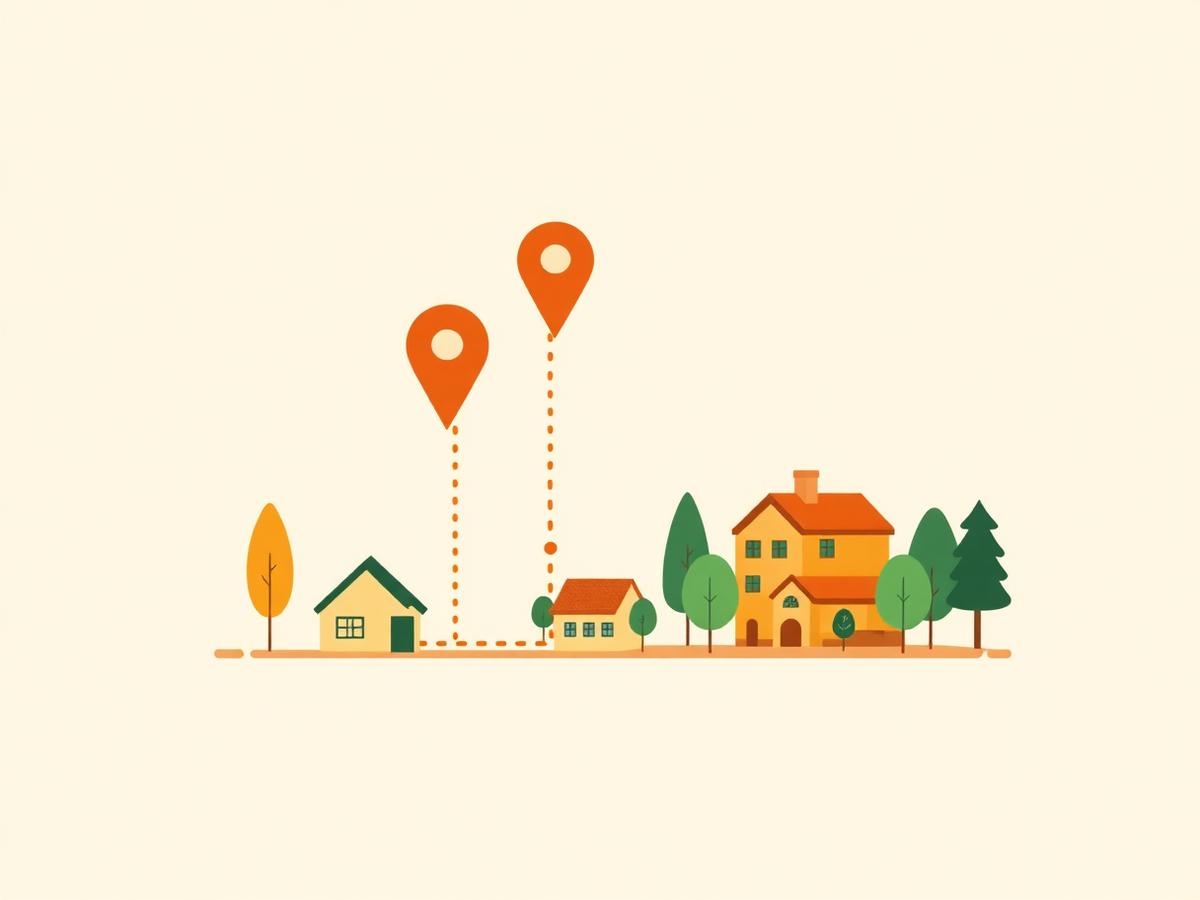
02Matched to a nearby need
We're building a lightweight way to pair each offer with a nearby community — a labour camp, a shelter, a family, or a public space.
 03
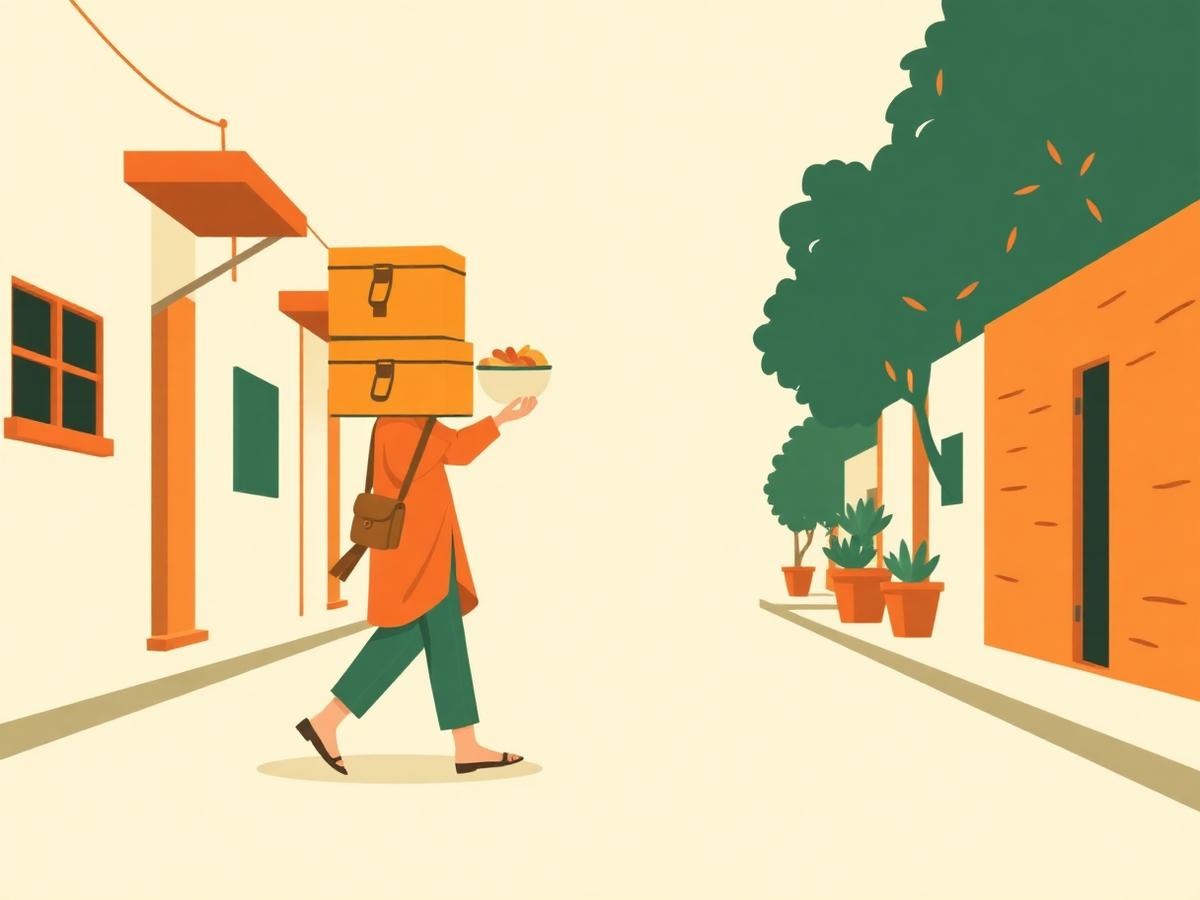
03Collected by volunteers
A SpareShare volunteer picks up the meal and carries it, with care, along the shortest possible route.
 04
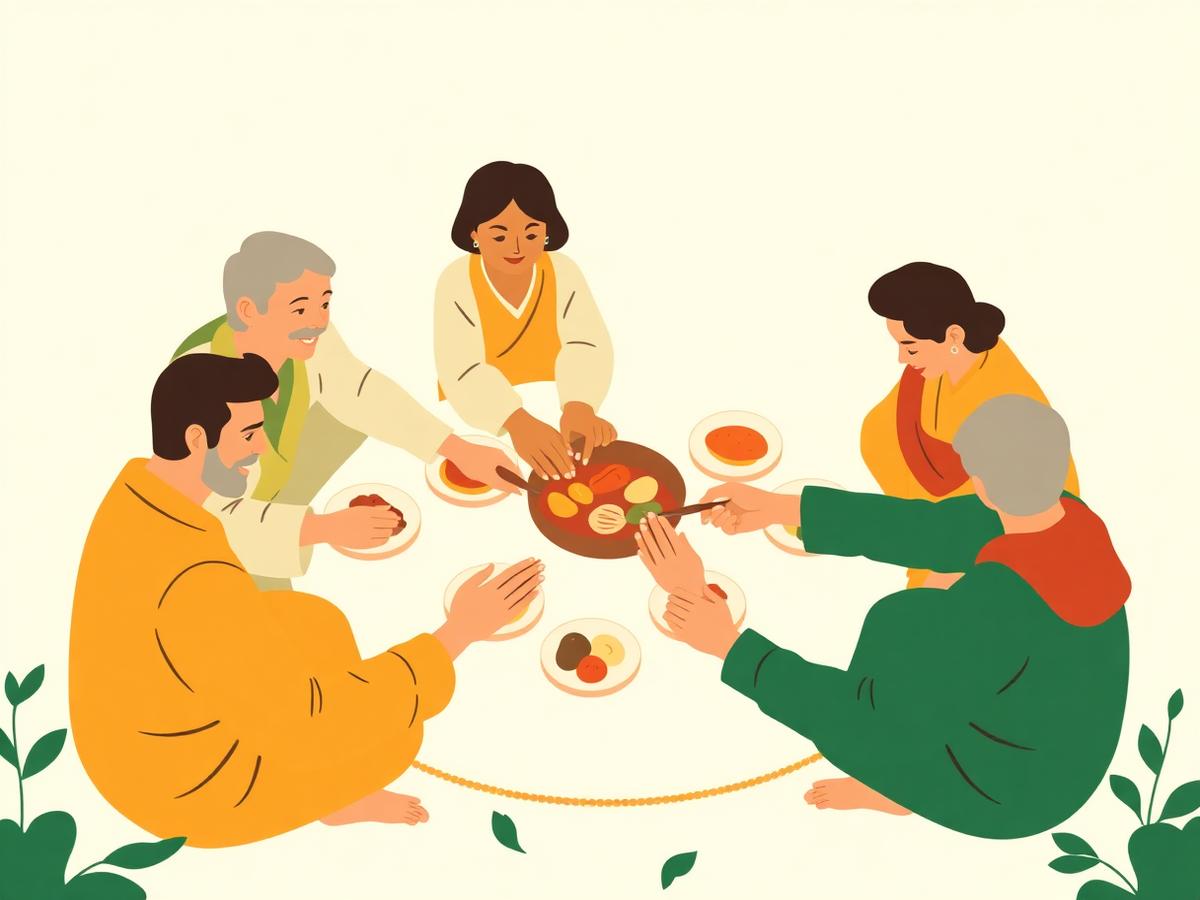
04Shared with the community
The meal reaches the table it was meant for — warm, dignified, and shared as it always should have been.
A meal that would have been spared becomes a meal that is shared. That's the whole of it.
When we launch, this is the loop we'll run — carefully, and with the community leading each step.
The same walk, carrying something different.
A young person joins a session, watches a guided AI video, tries a short quiz, and gets paired with a mentor when they have questions. No certifications, no fees — just spare knowledge shared with care.
How it connects
Food rescue and knowledge sharing run on the same belief: surplus can travel the last mile. The communities we serve with warm meals are the same communities we want to reach with learning. Volunteers, partner spaces, and trusted local relationships make both possible.